
How To Guides
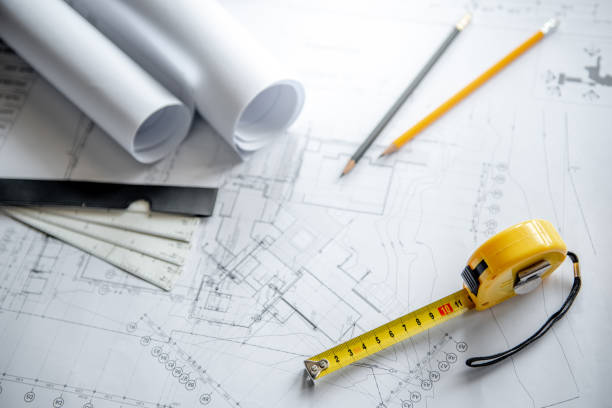
Measuring
The simplest but most important aspect
Done right, this will save you much heartache and money in the long run.
Measuring any space is not difficult, but it’s the crucial part of the job that you need to get right. Remember that your measurements provide the foundation for the planning and design stage.
Think about the layout of your kitchen’s planned location beforehand. It’s this area you will need to measure.
Create a simple sketch of the room and any fixtures such as doorways and windows. You may find it easier to write measurements onto this.
Suggestions from Pinnacle Flat Packs
The measuring do’s
- Measure to the outside of architraves for all windows and doors
- Measure height of the room from the floor to the ceiling
- The height from the floor to any windows to ensure that cabinets and benchtops fit
- Make a note of any overhead bulkheads that may limit standard installation
- Make a note of the location of any new or existing light switches and power outlets
- Make a note of the location of existing plumbing and power outlets
- Make sure the location of the sink bowl is centered over a suitable size cabinet
It’s Important to check the manufacturers’ specifications for any appliances prior to ordering your kitchen.
The measuring DO NOTS
- Do not Put your fridge and cooking appliances next to each other
- Do not Undertake and gas, electrical or plumbing work yourself unless qualified
- Do not Position your rangehood any closer than 600mm from the top of your cooktop
- Do not Forget to order your end panels on either side of appliance cabinets and to cover the exposed side of cabinet runs
REMEMBER to leave a minimum of 300mm clearance on either side of your cooktop to any pantries or panels
Measure Twice, Cut Once
There’s an age-old saying in the world of DIY and construction: “Measure twice, cut once.” This golden rule is especially true when planning your new flat pack kitchen.
1. Measure the Room’s Height
Measure the room’s height from the floor to the ceiling. Do this across each of your walls, especially for older houses that may not be perfectly square. If you have any bulkheads that could obstruct the top cabinets, make sure you measure and make a note of these.2. Measure the Horizontal Wall Length
Measuring widths of walls for a kitchen at the top, mid, and bottom positions is most accurate. It’s crucial to take accurate measurements of the horizontal length where your flat pack kitchen will be installed. You’ll want to measure at three different points – the top, middle, and bottom of the wall. It might be surprising, but these measurements can occasionally vary, influencing the width requirements for your bottom cabinets in comparison to your overhead ones. If your kitchen design will span multiple walls, don’t forget to measure these lengths as well.3. Measure Windows and Doors
Record the outside dimensions of windows and doors in the space, including both the horizontal and vertical measurements. If you have window fittings like plantation shutters or venetian blinds, measure their depth so that your cabinets will open freely around these features.4. Record the Position of Utilities
Take measurements for the location of all your power points and water supplies.5. Consider Other Features
If your kitchen area has any columns or other distinct features, ensure to measure these and mark their location.6. Measure Existing Appliances
Take the measurements (height, width, and depth) of any existing appliances that you plan to reuse, such as the refrigerator, oven, and cooktop.7. Checking for Square Corners and Level Walls and Floors
A crucial but often overlooked aspect of measuring your kitchen involves checking if your corners are square and if your walls are level. This may seem like a minor detail, but it can make a substantial difference in how well your flat pack kitchen fits together.Remember, the more accurately you measure, the smoother your kitchen project will progress. Take your time and be thorough – your future self will thank you!
Are you considering a Kaboodle kitchen? Maybe its an Ikea kitchen. Here at Flat packs Tasmania we look at some of the disadvantages to using inferior products in your cabinetry.
F.A.Q
Is shipping calculated at checkout?
Collection is available from our Hobart warehouse, and shipping can be arranged by the client.
Can trade customers order online?
Yes. Trade and retail customers can use the shop.
Are products held in stock?
No. Pinnacle Flatpacks operates a made to order model.
Can I order individual components?
Yes. Components can be purchased individually.
Are prices displayed inclusive of GST?
Pricing includes applicable GST unless stated otherwise.
Are all products made to order?
Yes. Products are manufactured once ordered.
Can installers access technical support?
Support is available for assembly clarification.
Do you provide installation videos?
Written guides are provided; additional support may be available.
Are instructions specific to each cabinet?
Instructions align with all cabinet types are supplied.
Can beginners assemble flat pack cabinetry?
Yes. Flat pack systems are designed for clear assembly processes.
Do I need special tools?
Standard hand tools are typically sufficient.
Are assembly instructions provided?
Yes. Assembly instructions are included with cabinetry orders.
Will I receive an order confirmation?
Yes. Order details are confirmed prior to manufacture.
Do you confirm measurements?
Customers are responsible for confirming site measurements.
How long does manufacturing take?
Typical lead times are approximately 7 working days, subject to order complexity.
Can I change my order after confirmation?
Changes may not occur once production has commenced.
Is payment required upfront?
Yes. Payment confirmation is required before manufacturing begins
How do I place an order?
Orders are placed online with specifications confirmed prior to production.
Are finishes UV stable?
Finishes are suitable for typical indoor residential conditions.
Can I view finishes before ordering?
Finish samples may be available on request.
Are finishes durable?
Yes. Finishes are selected for durability and ease of cleaning.
Do finishes affect lead time?
Some finishes may affect production timing depending on availability.
Are finishes consistent across products?
Yes. Finishes are consistent across kitchens, wardrobes and laundries.
What finish options are available?
A curated range of contemporary colours and finishes is available.
Are panels moisture resistant?
Panels are suitable for internal residential use.
Can I order panels without cabinets?
Yes. Panels can be ordered independently.
Are panels structural?
Panels are decorative and finishing components, not load-bearing elements.
Can panels be cut on site?
Panels are supplied to size but may be trimmed by installers if required.
Are panels colour matched?
Yes. Panels are matched to selected cabinet finishes.
What are cabinetry panels used for?
Panels are used for end finishes, fillers, appliance surrounds and visual continuity.
Do handle choices affect cabinet pricing?
No. The cabinets are all fixed price, you just chose the handles depending on your chosen handle style and material.
Are handles durable for high-use areas?
Yes. Selected handles are designed for frequent daily use.
Can I use my own handles?
Yes. Cabinetry can be prepared to suit third party handles
Are handles supplied separately?
Handles are ordered separately to allow personalisation.
What handle styles are available?
A curated range of modern, minimalist and classic handle styles is available.
Are handles optional?
Yes. Cabinets can be supplied with handles or prepared for handle-less designs.
Are laundry cabinets suitable for small spaces?
Yes. Flat pack systems allow efficient use of compact spaces.
Can I match my laundry to my kitchen finishes?
Yes. Consistent finishes can be selected across kitchens and laundries.
Are wall cabinets available for laundries?
Yes. Wall mounted and base cabinets can be combined for functional storage.
Do laundry cabinets include benchtops?
Benchtops may be specified separately depending on the selected configuration.
Can laundry layouts be customised?
Yes. Cabinet layouts can be adapted to suit appliance sizes and room constraints.
Are laundry cabinets moisture resistant?
Yes. Laundry cabinetry uses materials appropriate for wet area environments.
Can I install wardrobes myself?
Yes. Wardrobe systems are suitable for DIY installation or professional fitting.
Are wardrobe cabinets floor standing or wall mounted?
Both options are available depending on design and structural requirements.
Can wardrobes be installed in older homes?
Yes. Custom sizing allows wardrobes to suit existing homes and renovation projects.
Are Wardrobe doors included?
Yes. Wardrobe cabinetry and doors are supplied. Just pick your colour.
Do wardrobes include internal shelving and hanging?
Wardrobe systems can include shelving, hanging rails, drawer units and storage modules.
Are wardrobes fully customisable?
Yes. Wardrobe cabinetry can be configured to suit room dimensions, internal layouts and door styles.
Are flat pack kitchens durable long-term?
When assembled correctly, flat pack kitchens offer comparable durability to traditional cabinetry.
Can I order only part of a kitchen?
Yes. You can order individual cabinets, pantry units, or appliance housings as required.
Need assistance?
Our expert team are here to help
Need assistance with your design or do you want to book a private online one on one Design Appointment?
Fill out the form below, and we’ll be in touch soon!